Quarterly Update - 2026 Q3
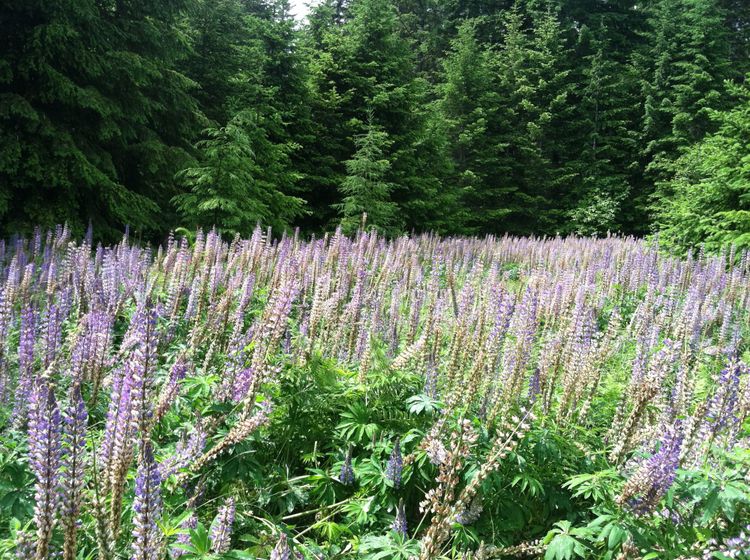
Studies in Contrasts –
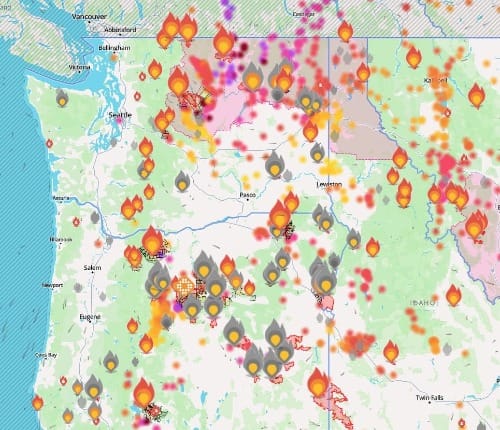
As I write this, the air on the other side of my window is thick enough with wildfire smoke to make outside activities unhealthy. A record-breaking area of our home state is on fire. The multiple factors contributing to this season of fire are complex. The impacts on the lands and people are broad and deep.
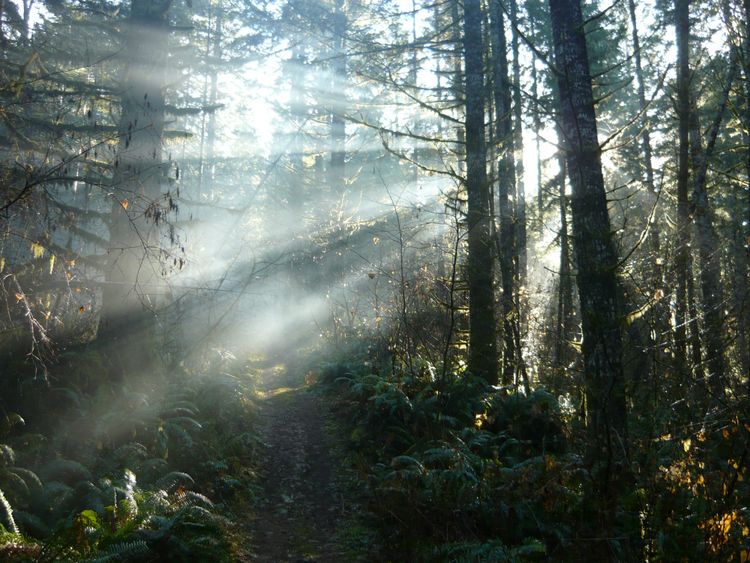
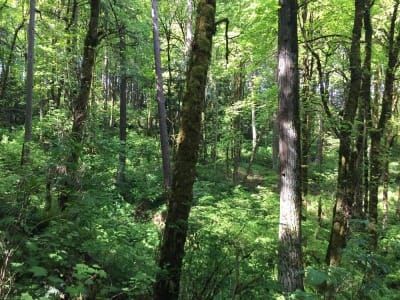
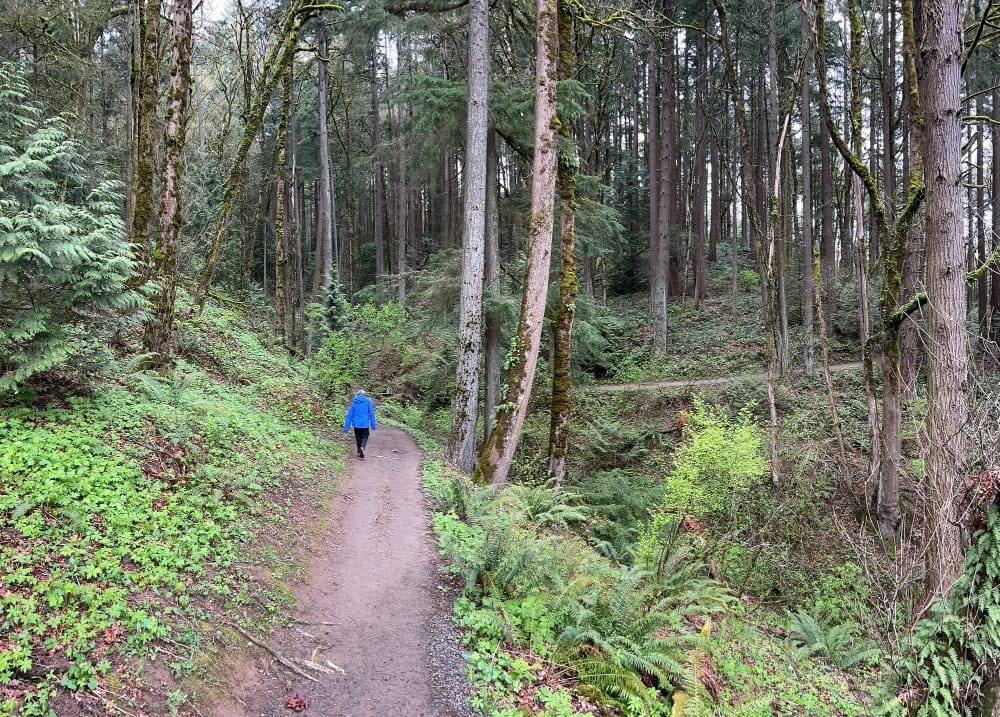
Our home forests, in contrast, this summer provide a solid, reliable, low-drama anchor for me and my family through these stormy and uncertain times. Knowing that weeks of high fire risk lie between us and solid rain, I type this with crossed fingers. Where a decade ago we were surprised, troubled and scrambling to respond to trees that were rapidly dying in our Mt. Richmond Forest, on my walk yesterday, I was impressed by how vital and healthy trees were – from firs to cedars to oak, maple, alder and even ash. In spite of being in the dog days of a long, dry summer, the springs still burst from the ground, cold, clear and full, feeding the many creeks which, in turn, feed the forest’s entire complex and ever wonderful webs of life. Dozens of species of birds fill the morning’s relative cool with their diverse, melodic songs. Elk and deer bed down for a siesta, safe in the coolest and most protective groves. Raptors spiral overhead, periodically swooping down to dine on the rodents that enjoy dining on the young seedlings. Fungi sleep hidden in the soils and fish feed in the streams while insects chew on leaves, lichen and just about everything. It’s a world wonderfully alive with both death, decay and rot as well as sprouting new life and irrepressible growth. With each passing year, the forests catch and hold ever-more carbon from the atmosphere while reliably releasing life-sustaining oxygen. It’s an uplifting place to explore on an August morning.
The Wider World – And what’s happening in the world beyond the bounds of the forests? I am afraid that the words tumult, uncertainty, destruction and chaos sadly come to mind. With each day’s reading of the news comes yet another wave of horrific, new, ever-worsening events. These include the legal and illegal abolition or gutting of laws that we, until recently, counted on as bedrock on which people with diverse perspectives, values and priorities compromised to create workable paths forward. I will focus here on the recent gutting of the Endangered Species Act by the current administration because of the powerful role that this legislation plays and has played in shaping our region’s forests and our culture’s ever-changing relationships to them. Life experiences have shown me that nearly all stories about relationships between people and land may be divvied up into three categories: the too common stories of extraction, exploitation and degradation may be considered as what I call A Stories. In the B Stories, people work together to eventually and effectively slow and stop the A stories. This opens the door to finding ways to create the C Stories of restoration, healing and renewal leading toward more harmonious and respectful coexistence. More flesh on these bones may be found here. The history of advocating for, drafting, passing, implementing and learning to live with the Endangered Species Act provides a classic B Story. Beginning in the 1970s, US citizens were driven by practical and ethical motivations to take a stand that we should make it a priority to try to, in the words of Aldo Leopold, “hang onto all of the pieces”. Through timber wars, salmon battles and so much more, the power of the ESA decisively shaped who we are and our relationships with and responsibilities toward forests and one another. Its bruising and painful lessons motivated many of us to attempt to avoid future turmoil by working proactively to treat forests in ways that avoided the real threat and destructive pain of future listings. And now, that powerful and constructive threat and cultural cornerstone is apparently largely gone. Just yesterday I stumbled on a gleeful post from pro-logging advocates crowing “watch out owls; here we come!”. Where the ESA’s power created the conditions on which C Stories of finding better paths were being built, a B Story has been removed, opening the door to a return to another chapter of commonwealth-sapping A Stories. There is no way for me to deny feeling heartbroken and devastated by this change and the deep impacts it will have. But this is not what troubles me most about the ways that the current administration is reshaping my home country.
What weighs most heavily on me is something deeper and more fundamental than the undoing of specific laws, policies and programs. I’ll preface my highlighting of the changes by acknowledging that this country has always been an idealistic, aspirational project where realities too often fall short of the ideals. Where once government often reflected a commitment to science, facts, evidence and truth, today, functional governance is unhinged by lies, myths, propaganda and illusions. Where once this country aspired to fairness, equity, justice, compassion, tolerance, a quest for unity and the force of reason, today the President and his administration daily use the force of power to advance their mean, harsh, coarse culture of intolerance, cruelty and disregard for the future. Where in the past governance sat on the foundation of keeping church and state separate, powerful, elected leaders push relentlessly for a government committed to Christian nationalism. Where the U.S. in the past often demonstrated respect for the sovereignty and autonomy of other nations, near and far, the actions of the current administration shows blatant disregard. The constitution’s insistence on the rule of law and due process is daily shaken by an administration that appears to respect neither. And where once much of the direction of our federal government was shaped by a sense of responsibility and obligation to fellow citizens, other forms of life, the world beyond our borders and the needs and rights and needs of future generations, today’s driving focus is increasingly on the short term, personal gain of those in power and the privileged minority that supports them. As much as I am tempted to look away, I can not. I find it hard to imagine where this erosion of our foundational values, commitments and priorities will take and leave us. I ask myself “how resilient is the culture of the people of the United States to these dramatic and rapid changes in the culture and ethics of our current federal administration?”.
So, grandchildren, if someday you find yourselves wondering what some of us thought and felt back in ’26, these reflections might give you a taste.
But wait, we can’t end on that gloomy note! This is why these updates always end with yet another answering of the question “what’s there to love in the forests?”. Fortunately, the running list that I keep of possible answers keeps growing, perhaps indicating the therapeutic value of the habit. The path to this quarter’s answer starts with a story. Just last week, our son, Ben, reported that the generator that powers our sawmill had been revived thanks to a rebuilding of its alternator. In these times where it becomes increasingly practical and tempting to replace components instead of rebuilding them, I was surprised by the news. Ben went on to enthusiastically describe how impressed he was by the two people in the small shop in nearby Forest Grove who carefully disassembled and cleaned the alternator, identified the problem, found and replaced the faulty parts, repainted it so it looked better than new – and then charged half of what he anticipated that they would. While the generator droned in the background, the two of us reflected on how fortunate we are to run a forest business that can rely on a wide range of skilled, responsible, conscientious, helpful and fair people. From Jerry of Wapato Service thrashing his way through the brush to remove, rebuild and replace the radiator on our old cat, the friends at Mark’s Lift Trucks going the extra mile to find and sell us necessary parts, to timber fallers arriving in beat up trucks ready to carefully do a long and hard day’s work, to Spanish speaking tree planters taking extra care to tuck delicate seedlings into safe and protected spots, experience teaches us to value, respect, enjoy and – in a way – love members of this community of interdependently linked people and businesses bound together by shared values, priorities, respect and work. Of course, this matters to us – on multiple levels – but it is also linked to the previous two sections of this update.
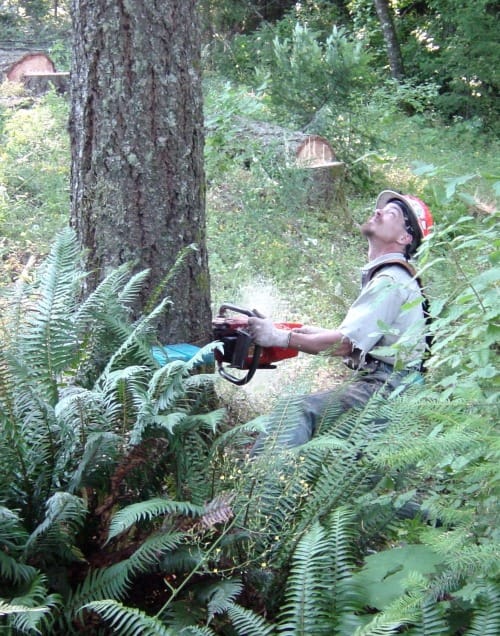
The functioning of the healthy, resilient and productive forest, described at the top, is only possible because of this interdependent web of local relationships that play essential roles in the stewardship of the forests. We need and value them and they need and value us. More importantly, the traits that distinguish these helpers – honesty, fairness, reliability, conscientious commitment to the long haul, community well-being and doing things right – because that’s what we do – is the opposite of the troubling shift in the values and priorities of our current federal government. Thanks to the tale of the rebuilt alternator, I have faith and confidence that all across this country there remains a solid continuity of personal and community values and character that will endure and prevail over time – just as it has throughout the history of this young, idealistic, yet inevitably flawed, country.

Related Resources:
Author and advocate, Bill McKibben’s assessment of dimensions of our current decade is shared here . I find it very relevant to this project.
To help fill the hole created by the removal of reliable information from the federal government’s climate.gov site, former staffers have recently created this new, reliable and helpful resource - http.www.climate.us/ I am inspired by their commitment, effort and resourcefulness.